

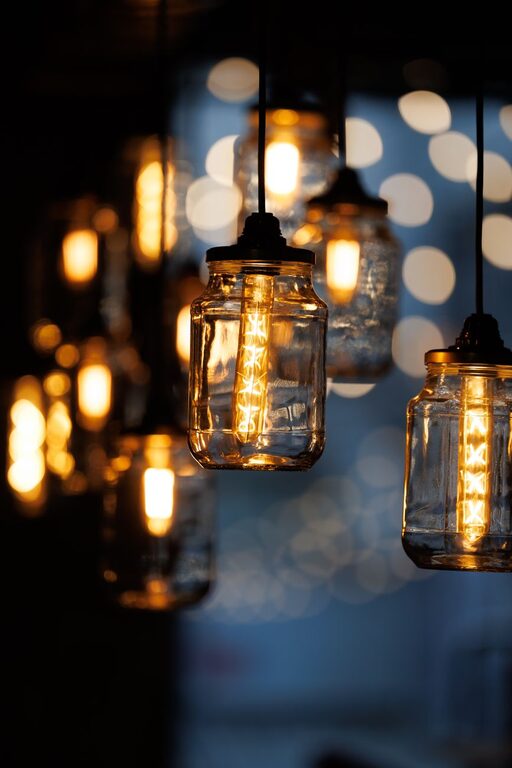
Creating a comfortable and inviting atmosphere in your home starts with choosing the right lighting. Proper lighting not only highlights your interior design but also impacts your mood, productivity, and overall comfort. However, navigating the world of bulbs, fixtures, and lighting styles can feel overwhelming. This guide offers simple, practical tips to help you select home lighting that is both comfortable and functional.
Understanding the Basics of Comfortable Home Lighting
Before diving into specific tips, it helps to understand what makes lighting comfortable:
– Brightness: Lighting shouldn’t be too harsh or too dim. The right brightness level depends on the room’s function.
– Color Temperature: Measured in Kelvins (K), color temperature affects the warmth or coolness of the light.
– Glare and Shadows: Minimizing glare and harsh shadows improves visual comfort.
– Lighting Layers: Combining ambient, task, and accent lighting creates a balanced environment.
Consider Room Function When Selecting Lighting
Different rooms have different lighting needs. Tailoring your lighting choices to the room’s primary use ensures comfort and efficiency.
Living Room
– Aim for warm lighting (2700K to 3000K) to create a cozy, relaxing atmosphere.
– Use a mix of ambient lighting (ceiling fixtures), task lighting (reading lamps), and accent lighting (wall sconces).
– Dimmer switches allow you to adjust brightness according to mood or activity.
Kitchen
– Choose bright, cool to neutral white lighting (3000K to 4000K) for clear visibility.
– Incorporate task lighting over countertops, stove, and sink to help with food preparation.
– Under-cabinet lighting reduces shadows and brightens workspaces.
Bedroom
– Soft, warm light (2700K) promotes relaxation and better sleep.
– Bedside lamps with adjustable brightness support reading without disturbing others.
– Avoid harsh overhead lighting; use multiple light sources to create a calming environment.
Home Office
– Bright, neutral to cool light (3500K to 5000K) helps maintain alertness.
– Position task lighting to avoid screen glare and shadows.
– Natural daylight is ideal—try to place desks near windows.
Choose the Right Bulbs for Comfortable Lighting
The type of bulb you use has a big impact on lighting comfort.
– LED Bulbs: Energy-efficient, long-lasting, and available in a wide range of color temperatures. LEDs produce less heat and can be dimmable.
– Incandescent Bulbs: Offer warm light but use more energy and have shorter lifespans.
– CFL Bulbs: More energy-efficient than incandescent but take time to reach full brightness.
– Look for bulbs labeled “soft white” or “warm white” for comfort and avoid bulbs with flickering or buzzing.
Pay Attention to Color Temperature and CRI
– Color Temperature: Warm light (2700K–3000K) feels cozy and inviting, cool light (4000K–5000K) is energizing and better for focus.
– Color Rendering Index (CRI): Measures how accurately a light bulb displays colors compared to natural light. A CRI of 80 or above is good for most home purposes; 90+ is ideal for spaces where color distinction matters.
Use Layered Lighting to Avoid Harshness
Layered lighting combines multiple light sources at different levels to enhance comfort and flexibility.
– Ambient Lighting: The main source of light in a room, often from ceiling fixtures.
– Task Lighting: Focused light for activities like reading or cooking.
– Accent Lighting: Highlights art, architectural features, or adds mood lighting.
By layering these, you reduce glare, soften shadows, and create a balanced atmosphere.
Consider Fixture Style and Placement
Lighting fixtures affect how light is distributed and perceived in a room.
– Choose fixtures that diffuse light softly, such as lampshades, frosted glass, or fabric shades.
– Avoid bare bulbs or overly bright spotlights, which can cause discomfort.
– Place lights to minimize shadows and glare on work surfaces.
– Use adjustable fixtures like swing-arm lamps or track lighting for flexibility.
Add Dimmer Switches and Smart Controls
– Dimmers allow you to adjust brightness to suit different times of day or activities, enhancing comfort.
– Smart lighting systems provide convenience and can mimic natural daylight cycles to support your body’s rhythms.
– Voice control and scheduling features make managing your home lighting easier.
Maximize Natural Light
– Maximize window exposure by using light, sheer curtains or blinds.
– Position mirrors to reflect daylight deeper into rooms.
– Natural light improves mood and reduces the need for artificial lighting during the day.
Prioritize Energy Efficiency and Sustainability
– Choose LED bulbs and fixtures with Energy Star certification to save energy and reduce costs.
– Sustainable lighting options contribute to a healthier home environment.
– Properly dispose of old bulbs and recycle when possible.
Final Thoughts
Choosing comfortable home lighting involves more than just picking pretty fixtures. By considering factors like brightness, color temperature, layering, and fixture placement, you can create a well-lit, welcoming environment that fits your lifestyle. Experiment with different options, and don’t hesitate to upgrade your lighting to improve both comfort and functionality.
With these tips, lighting your home comfortably becomes an enjoyable and rewarding process—brightening your space and your day.