

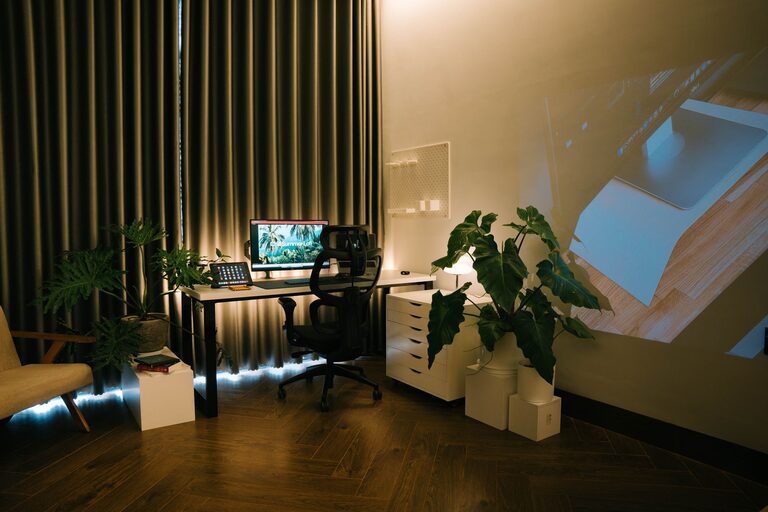
Creating a relaxing home workspace is essential for maintaining productivity and well-being, especially as many of us spend more time working remotely. A well-designed workspace not only helps you focus better but also reduces stress and promotes a healthy work-life balance. In this post, we’ll explore simple yet effective steps to create a calm and inviting home workspace that supports your daily tasks.
Why a Relaxing Workspace Matters
A cluttered or uncomfortable workspace can increase stress and decrease motivation. On the other hand, a space that feels peaceful and organized encourages creativity, concentration, and even positivity. When your workspace feels relaxing, you’re more likely to enjoy your workday and maintain steady productivity.
Step 1: Choose the Right Location
Selecting the ideal spot in your home for work is the foundation of a relaxing workspace.
– Natural Light: Look for a place with plenty of natural light. Sunlight boosts mood and energy.
– Quiet Environment: Pick a quiet corner away from household distractions.
– Good Ventilation: Fresh air helps keep you alert and comfortable.
– Enough Space: Ensure there’s enough room for your desk, chair, and storage.
If space is limited, consider multi-functional areas like a corner of your living room or bedroom.
Step 2: Invest in Comfortable Furniture
Comfort goes a long way in creating a workspace where you can focus without discomfort.
– Ergonomic Chair: Choose a chair that supports your back and encourages good posture.
– Proper Desk Height: Your desk should allow comfortable typing and writing without strain.
– Foot Support: Use a footrest if your feet don’t touch the floor comfortably.
– Adjustable Setup: Consider adjustable desks or monitor stands to reduce neck and eye strain.
Comfortable furniture helps you avoid fatigue and stay productive longer.
Step 3: Declutter and Organize
A tidy workspace reduces distractions and fosters a calm atmosphere.
– Minimalist Desk: Keep only the essentials on your desk.
– Storage Solutions: Use shelves, drawers, or bins to store supplies and documents.
– Cable Management: Organize cords with clips or ties to avoid mess.
– Daily Tidy-Up: Spend a few minutes each day clearing your desk.
Organized spaces help your mind feel clear and ready for work.
Step 4: Add Personal and Relaxing Touches
Personalizing your workspace makes it more inviting and soothing.
– Plants: Small indoor plants bring life and fresh air.
– Soft Lighting: Use lamps or string lights for warmer, gentler lighting.
– Colors: Choose calming colors like blues, greens, or neutrals for your workspace decor.
– Artwork: Hang inspiring or calming pictures.
– Comfort Items: Add a cozy blanket or cushion for comfort.
These small touches can boost mood and make your workspace feel like your own peaceful retreat.
Step 5: Incorporate Technology Wisely
Technology is essential but should enhance, not overwhelm, your workspace.
– Quality Equipment: Invest in reliable devices to reduce frustration.
– Noise-Canceling Headphones: Great for blocking distractions.
– Screen Position: Keep your monitor at eye level to prevent strain.
– Limit Notifications: Turn off non-essential alerts to maintain focus.
Balancing technology ensures your workspace supports, rather than hinders, relaxation.
Step 6: Establish Boundaries and Routine
A relaxing workspace also depends on how you use the space and manage your time.
– Set Work Hours: Stick to regular hours to separate work from leisure.
– Take Breaks: Schedule short breaks to stretch and refresh.
– Avoid Multitasking: Focus on one task at a time to reduce stress.
– Define Workspace Use: Use the area only for work to create mental separation.
Clear boundaries help your mind associate the space with productivity and calm.
Tips for Maintaining a Relaxing Workspace
– Regular Cleaning: Keep your workspace dust-free and clean.
– Rotate Décor: Change small decorative items occasionally for freshness.
– Stay Hydrated: Keep water nearby to stay energized.
– Use Aromatherapy: Consider mild scents like lavender or eucalyptus to boost calm.
Final Thoughts
Creating a relaxing home workspace doesn’t have to be complicated or expensive. By choosing the right location, focusing on comfort and organization, adding personal touches, and managing your routine, you can build a space that supports both your productivity and peace of mind. Start with small changes today, and watch how your workday transforms into a more enjoyable and focused experience.